|
|
Hello Athletes, Agents, Parents, Trainers, & Business Owners,
As summer hits its stride, many of you are making the most of this window — training hard, enjoying family time, and recharging at the lake before the pace picks up again. This is the stretch where routines matter, both on and off the ice; the perfect moment to lay the groundwork for a successful season ahead.
In this month’s edition, we cover a few smart moves to set yourself up before the season starts: budgeting & saving strategies, lining up pre-camp insurance coverage, tips on how to say no to outstretched hands, and why investing outside of North America can pay off over the long-term.
In this Issue:
- Kelowna Hockey Fest
- Ryder Ritchie
- Berkly Catton
- Protecting What Pays – Disability Insurance
- How to Say “NO”
- Spending – How to Stay in Control
- Global Outperformance – You Need it !
| | Source: ProsperaPlace.com | |
Kelowna Hockey Fest
Powered by the hard working men and women at Kelowna High Performance & proudly sponsored by us at VP Sports & Entertainment; this year NHL stars, prospects and alumni will take part in the third annual Kelowna Hockey Fest.
Last year over 3,000 people attended the event, and over $20,000 was raised for the YMCA & this year the goal is to double that amount !
Congrats to Travis Martell & Mark Fitzgerald for another incredible summer of mentorship & helping athletes get another step closer to realizing their potential
| |
Ryder Ritchie
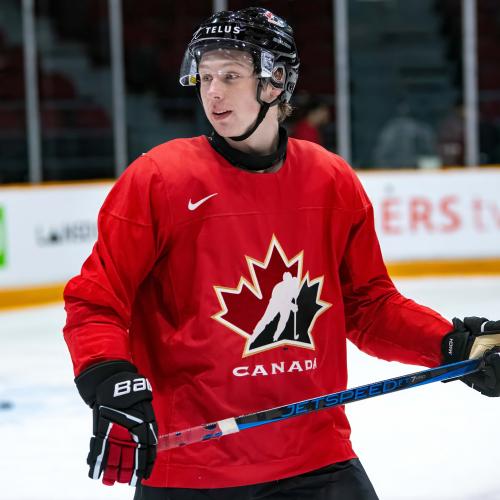
Ryder Ritchie has been invited to the 2025–26 Team Canada World Junior Selection Camp following an outstanding season with the Medicine Hat Tigers, where he played a key role in their WHL Championship win and run to the Memorial Cup gold medal game. A second-round pick of the Minnesota Wild in the 2025 NHL Draft, Ritchie continues to elevate his game with elite playmaking, high-end skating, and clutch performances on the national stage.
Knock ’em Dead Kid !
| Source: EliteProspects.com | |
Berkly Catton
Berkly Catton has earned an invitation to the 2025–26 Team Canada World Junior Selection Camp after another stellar season with the Spokane Chiefs, where he served as captain and led the team in scoring. A dynamic, two-way center with elite vision and pace, Catton was selected 8th overall by the Seattle Kraken in the 2024 NHL Draft. Known for his leadership and offensive creativity, he’ll be a strong contender for a key role on Canada’s World Junior roster.
Keep Finding the Net Berkly, Canada Needs Some Goals…
|
| |
Protecting What Pays: Career‑Ending Disability Insurance
| |
From the moment you sign your first contract, it’s worth asking: What happens if an injury ends my career unexpectedly? In hockey—where body contact, concussions, or long-term injury can derail your future—disability insurance isn’t just smart—it’s essential.
DID YOU KNOW?
The NHL’s guarantee structures may not protect you off the ice. Some contracts can be voided if an injury happened away from team-sanctioned activity. Off‑ice disability coverage fills in that critical gap.
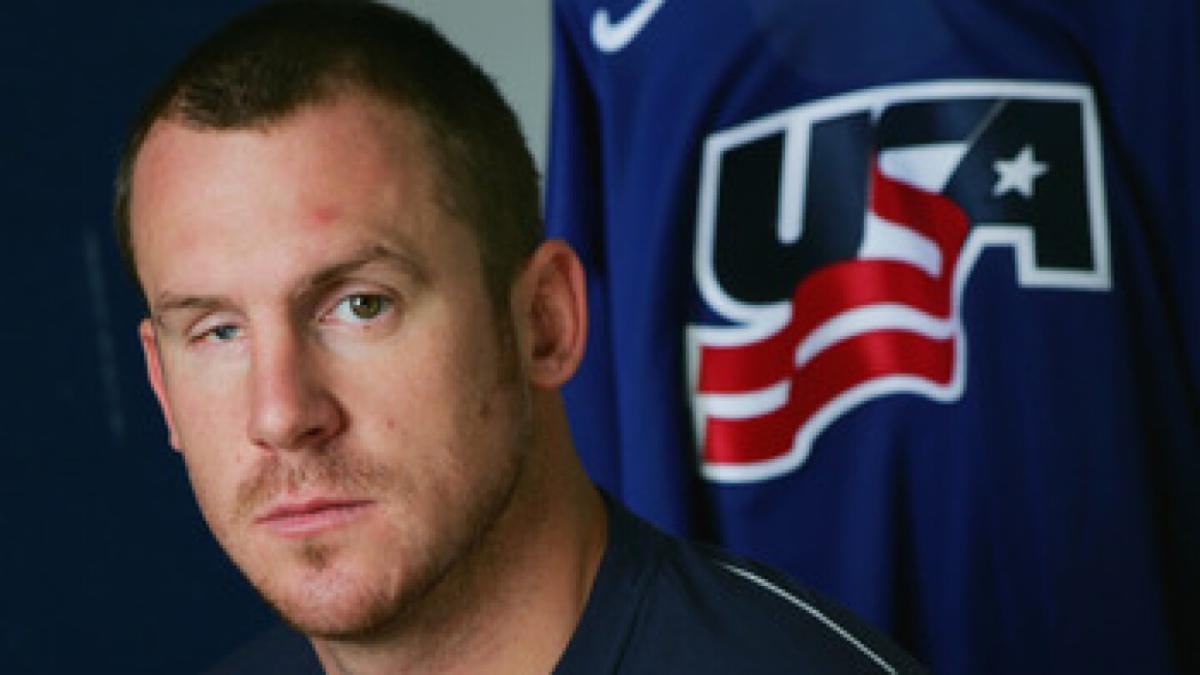
Even high-profile cases like Bryan Berard, who lost significant vision in one eye, underscore how a single moment can end a career—and how insurance made the difference in recovery and next steps.
Quick FAQ
What is career-ending disability insurance?
A policy that pays a tax-free lump sum (or structured payout) if you’re medically unable to play again—even if your injury occurs off-ice
When should you get it?
As early as possible—often before or shortly after signing your first professional contract. Premiums are lower and underwriting is smoother
How much coverage makes sense?
That depends on expected career earnings, draft status, and projected lifespan in the league. As a rule of thumb: coverage should reflect your projected earning power, not just current pay.
In the fast-paced world of professional hockey, protecting your ability to earn is just as important as training hard.
If you’d like help reviewing policy options, discussing industry-standard coverage, or assessing what might make sense based on where you’re headed—just let us know !
|
| |
|
Lessons from Tim Hardaway
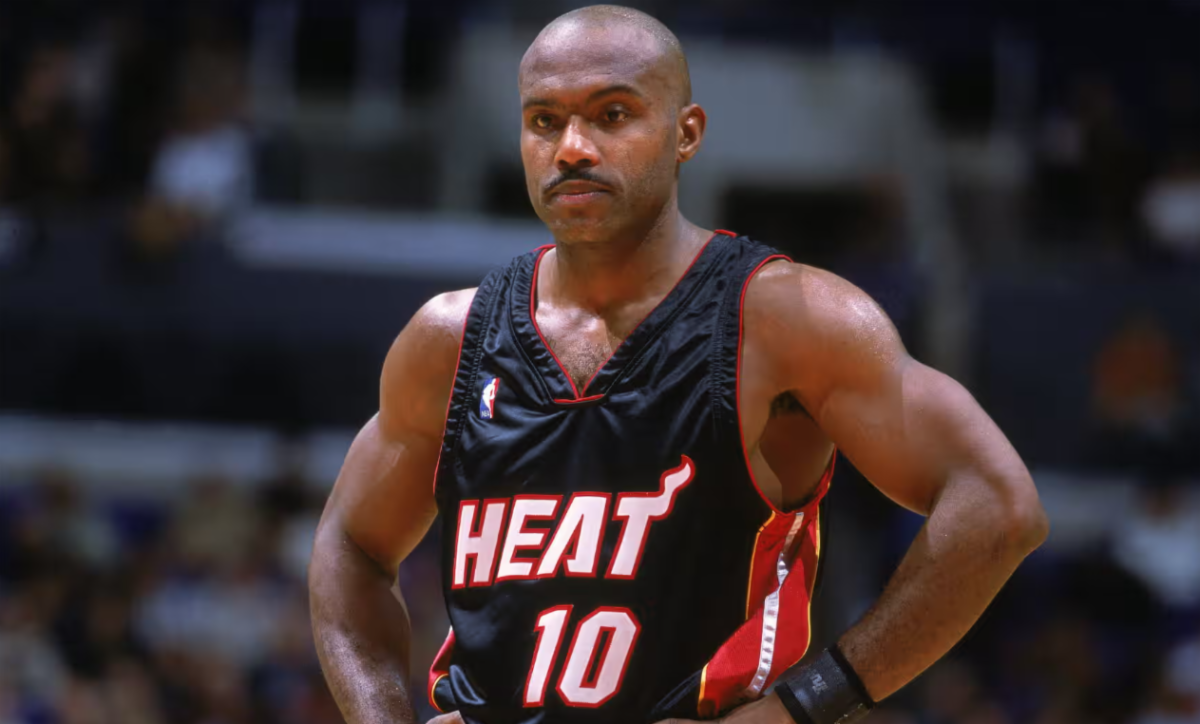
In the article below, Tim Hardaway (one of the highest paid NBA players at the time), recalls entering the NBA and instantly assuming financial responsibility—particularly for his mother—while earning millions. He credits three core lessons in the article, but what stood out to me was “learning to say “no” when others make financial demands”.
This is a critical issue for many young high-net-worth athletes, and learning how to set financial boundaries—without burning relationships—is one of the most important life skills they can build, so we put together a cheat sheet for:
How to Say “NO”
Here are some of our favourite strategies and scripts (that actually work!) to respectfully decline money requests from family, friends, or charities, while maintaining trust and boundaries:
1. Create a “Personal Giving Plan” (and stick to it)
Strategy:
Decide in advance how much you are willing to give each year to others, and to which categories (e.g., family, friends, causes you care about). This becomes your script and shield.
What to say:
“I’ve set up a plan for how much I can give each year, and I’ve already committed my support for this year. I hope you understand.”
2. Use the “Team” or “Advisor” as a Buffer
Strategy:
Blame the system, not yourself. Let your financial advisor or business manager be the one to enforce your budget or giving policy.
What to say:
“Everything I do financially goes through my advisor. They’ve got me on a budget right now, so I can’t say yes to anything outside of that.”
3. Offer Non-Financial Support Instead
Strategy:
If it’s a good cause or a friend you care about, offer your time, platform, or connections instead of money.
What to say:
“I can’t contribute financially right now, but I’d love to help in other ways—maybe I can promote it on social or introduce you to someone who might be able to help.”
4. Be Honest and Preemptive with Family
Strategy:
Sit down early with close family and share your financial plan. Let them know your long-term goals and limitations. Reassure them that you love them, and that protecting your future protects everyone’s future.
What to say:
“I want to be smart with this opportunity so I can support you over the long term—not just today. That means I need to say no to a lot of things now to make sure we’re all okay later.”
5. Say No Without Guilt
Strategy:
You’re not responsible for everyone else’s financial problems. Practice confident but kind rejection. Guilt is not a sustainable financial strategy.
What to say:
“I’m really trying to focus on staying disciplined. I hope you understand that I have to say no, even when it’s hard.”
Bonus: Automate Giving Through a Foundation or Trust
Once your finances allow it, set up a charitable foundation or donor-advised fund. This allows you to give in a structured way, with professional oversight—and gives you a reason to say “this is how I give.”
| | |
|
SPENDING: Why It Feels Easy — and How to Stay in Control
When your first contract lands, it can feel like there’s no ceiling — and that’s exactly why spending gets out of hand so fast. Whether it’s dinners, cars, clothes, or looking the part in front of vets or fans, the pressure is real. But without a system, your money can disappear a lot faster than you think — especially in the offseason.
Here’s how to stay in control without feeling restricted:
- Give yourself a weekly “Yes Budget.” This is guilt-free money meant for fun — but it has a limit. Spend it, enjoy it, and when it’s gone, it’s gone.
- Set a cap on big purchases. Want to buy something over $2,000? Sleep on it for 72 hours. That pause alone will stop 80% of impulse buys.
- Avoid the “comparison game.” Just because someone on the team drives a $200K car doesn’t mean they’re managing their money well. Run your own playbook.
- Ask yourself: Would I still buy this if I couldn’t post it? That one question will help you filter needs from ego.
- Spending isn’t bad — but it works best when it’s planned. You’re not trying to look rich. You’re trying to stay wealthy.
Please reach out if you want to chat about your spending / saving habits and learn how the Pro’s best set themselves up for a financially successful season off the ice !
| |
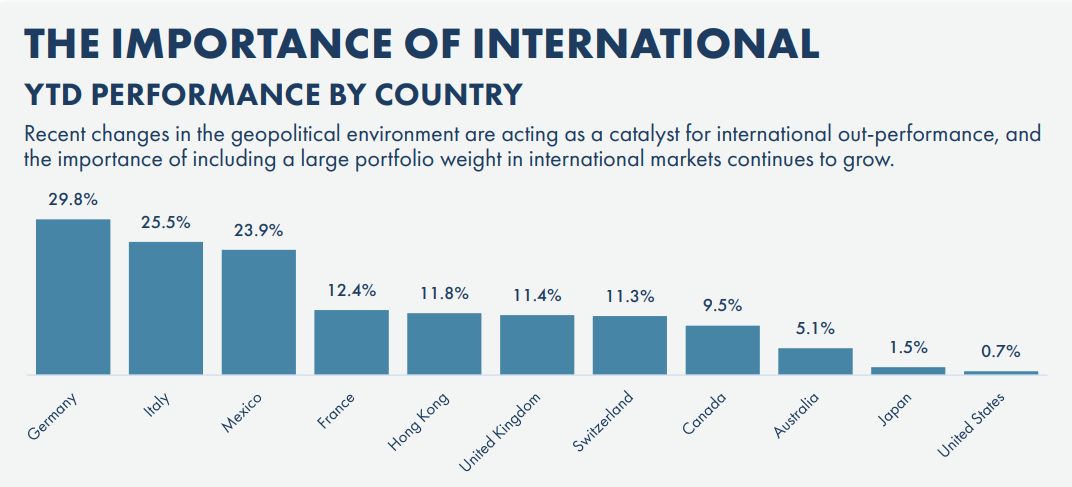
At some point in your life, you’ve probably heard the advice not to keep all your eggs in one basket—that’s the idea behind diversification. But why does it matter? Because businesses & markets around the world don’t all move the same way at the same time. As shown in the chart above, businesses in countries like Germany (+29.8%), Italy (+25.5%), and Mexico (+23.9%) have delivered much stronger returns this year than the United States (+0.7%). By investing globally, you give yourself a better chance to benefit from businesses in those top-performing regions, rather than depending entirely on one market.
| |
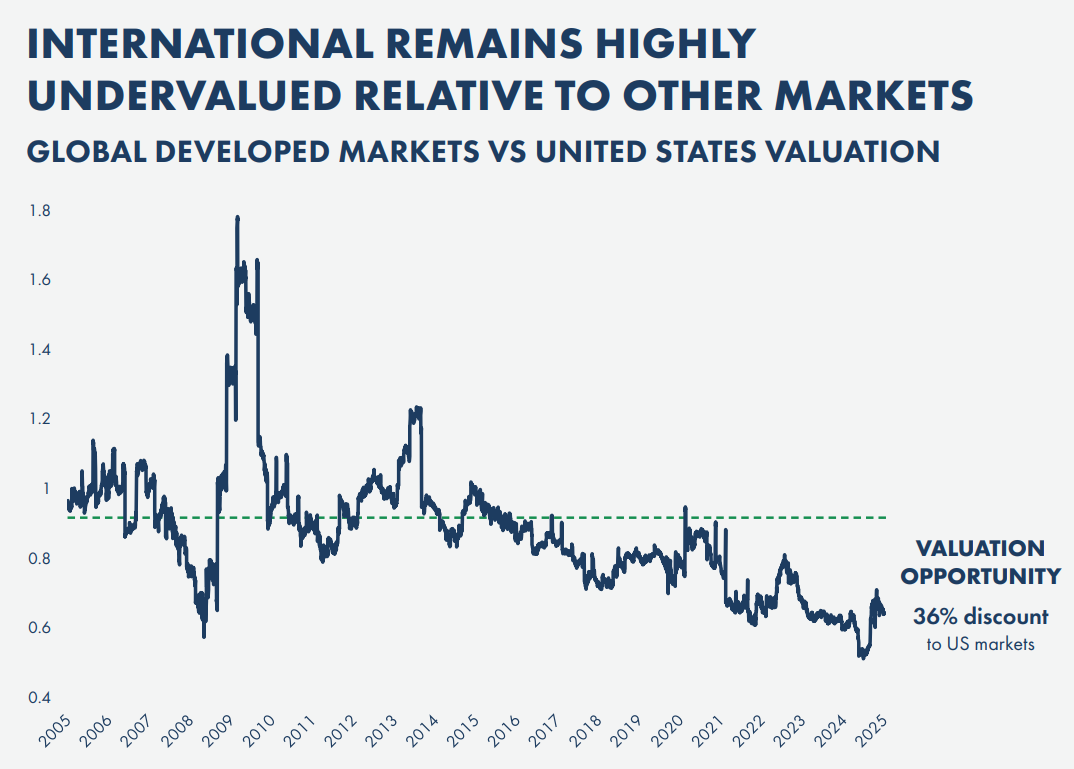
The graphic above shows that international businesses on average (the markets) are currently much “cheaper” aka “less expensive” than U.S. businesses (markets). This is measured using something called the price-to-earnings (P/E) ratio, which tells you how expensive a stock is relative to the profits of the company.
Simple Example:
Let’s say a company’s stock price is $100, and the company earned $5 per share over the past year.
Then the P/E ratio is:
$100 ÷ $5 = 20
This means investors are paying $20 for every $1 the company earns.
Right now, global developed markets are trading at a 36% discount compared to the U.S., which means you can potentially buy strong companies at better value outside of the U.S. This creates a long-term opportunity for growth. In short: investing internationally can reduce risk and improve your chances of strong returns.
| | |
We get it—there are a lot of questions that can feel “dumb”… but trust us, they’re not. In fact, we’ve probably asked them ourselves. This is your space to ask anything, without judgment and with full confidentiality.
You’ve worked hard to earn this opportunity—don’t let uncertainty hold you back. Book a time below and let’s talk about how to make the most of it !
| | | | |